Disclaimer: This content is for informational purposes only and does not constitute medical, or any other, advice.
Always consult a qualified healthcare provider before making any dietary, supplement, or activity changes.
Note: Most of these links will get you to Facebook or LinkedIn, so you'll need to be a member of those sites in many cases.
Always consult a qualified healthcare provider before making any dietary, supplement, or activity changes.
Note: Most of these links will get you to Facebook or LinkedIn, so you'll need to be a member of those sites in many cases.

Repairing the Heart
|

Does e-coli Cause Cancer?A 2025 study published in Nature found that exposure to a bacterial toxin called colibactin—produced by certain strains of E. coli—in early childhood may be a key reason colon cancer rates are rising among young adults. The research demonstrated that these mutational signatures are significantly more common in younger patients, with childhood acquisition potentially accelerating cancer risk decades later. Contributing factors include modern shifts in gut microbiome development, frequent antibiotic use, and changing dietary patterns, which may make current generations more susceptible. The findings have prompted experts to propose earlier, risk-based screening, alongside ongoing research for non-invasive tests that could identify at-risk individuals long before symptoms develop. Prevention remains focused on gut health, plant-based eating, physical activity, limiting processed foods, knowing family history, and early attention to symptoms.
Click here to get the full article. 
Making a Banana-Berry Smoothie?
|

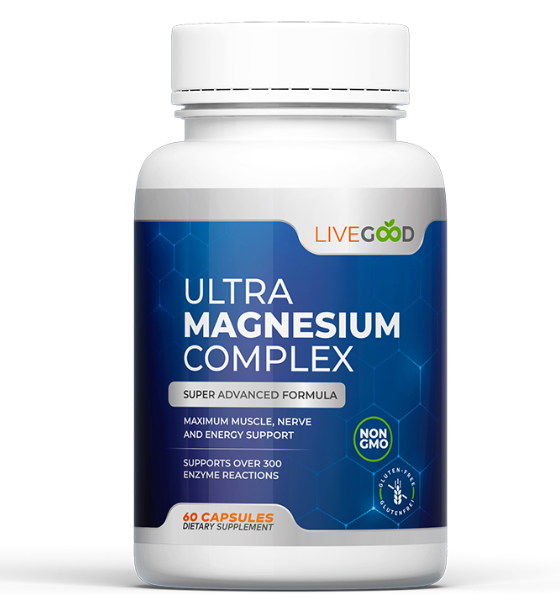
Does Magnesium Reverse Clogged Arteries?
New Gel Makes Transplants Obsolete
Fake Blood May Save Your Life
Eating Raw Garlic Has Many Health BenefitsEditor's Note: According to AI
"Eating raw garlic daily can meaningfully support heart health at a molecular and physiological level by modulating lipid profiles, reducing oxidative stress, and improving vascular function, according to validated and peer-reviewed scientific research. It remains a beneficial, natural adjunct to established medical strategies for cardiovascular risk reduction." 









|