OleSkool Waterbury:
Decades-Ago Hill Street Neighbors
Still Uniting and Celebrating Black Culture
with Food, Music & History
A Labor Day Tradition Uniting Waterbury’s Diverse Black Neighborhoods Through Soulful Celebration
Written by Vincent E. Martinelli, Jr. on Sunday, September 21, 2025
Contributing Writer: Art Intel
Contributing Writer: Art Intel
A Favor: If you are inclined to buy any of the suggested products, please let me know
- using my links may put a little bit of money in my wallet.
- using my links may put a little bit of money in my wallet.

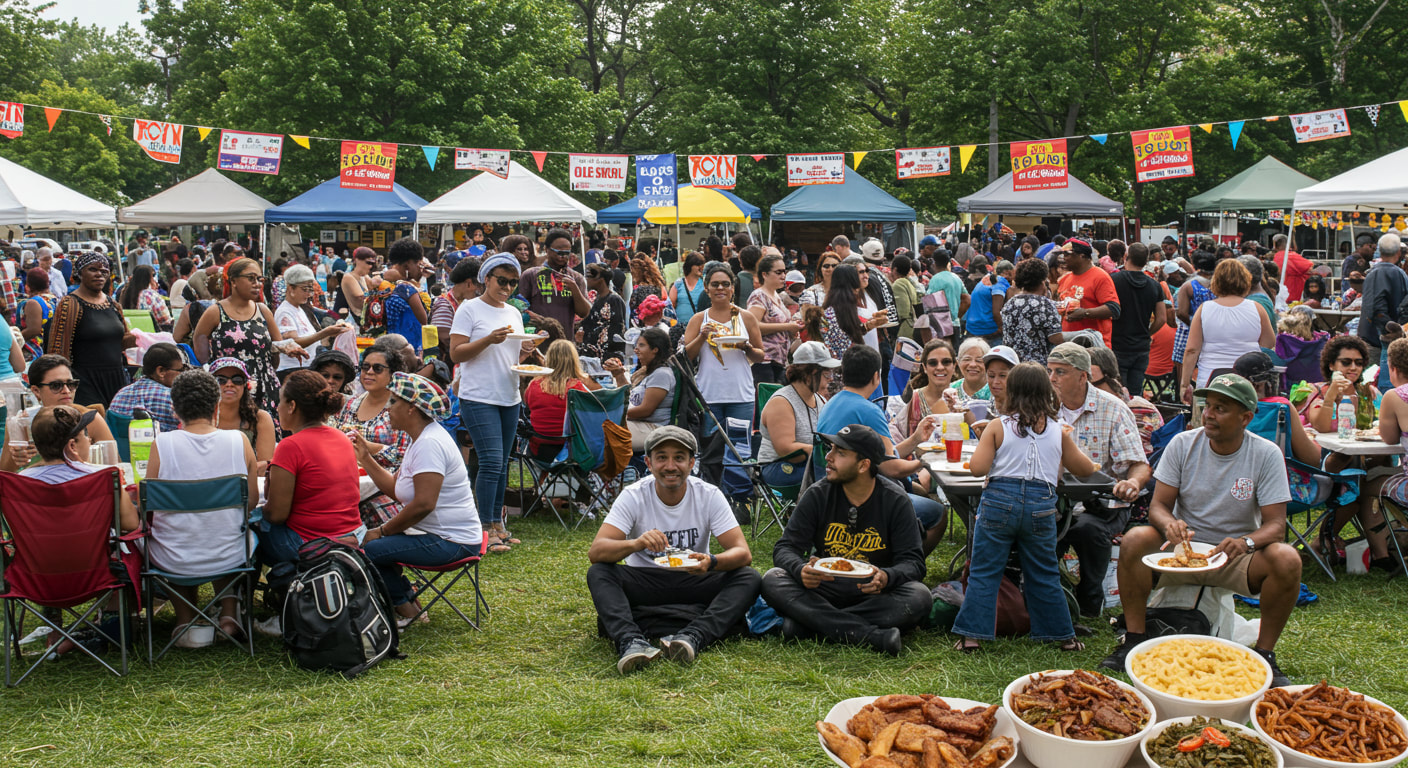
PrefaceOleSkool is a testament to the enduring spirit and cultural vibrancy of Waterbury's Black community. This article captures the essence of a cherished festival that celebrates heritage, culinary traditions, music, and history. It aims to honor the event’s role in enriching and uniting Waterbury while inviting readers to engage with its ongoing legacy.
Author's NoteThis article was crafted to illuminate the deep cultural roots and wide-reaching impact that OleSkool holds in Waterbury, Connecticut. Drawing from historical accounts, community testimonials, and local traditions, the goal is to present an authentic narrative that reflects the pride, resilience, and creativity found throughout Waterbury’s Black neighborhoods.
IntroductionOleSkool in Waterbury, Connecticut, has grown from a small reunion of former residents into a cornerstone Labor Day event that celebrates Black culture through soulful food, diverse music, and meaningful education. This vibrant multi-day festival nurtures community bonds across neighborhoods like North End, South Main, and Hillside, serving as both a joyous gathering and a platform for local artists, youth empowerment, and cultural preservation.
OleSkool CelebrationOleSkool in Waterbury, Connecticut, is not just an event—it is a masterclass in how a city throws a party when the guest list includes nearly everyone who has ever called Waterbury “home” (plus a few who wish they did). Imagine a Labor Day weekend where the aroma of ox tails wafts on the breeze, soulful barbecue ribs sizzle on the grill, potato salad gets debated like a political issue, and neighbors from every block—whether from North End, Hillside, South Main, or Bishop Street—show up with loud laughter and even louder outfits. OleSkool proves that, when Waterbury celebrates, it goes big, it goes authentic, and it never skimps on flavor or funk.
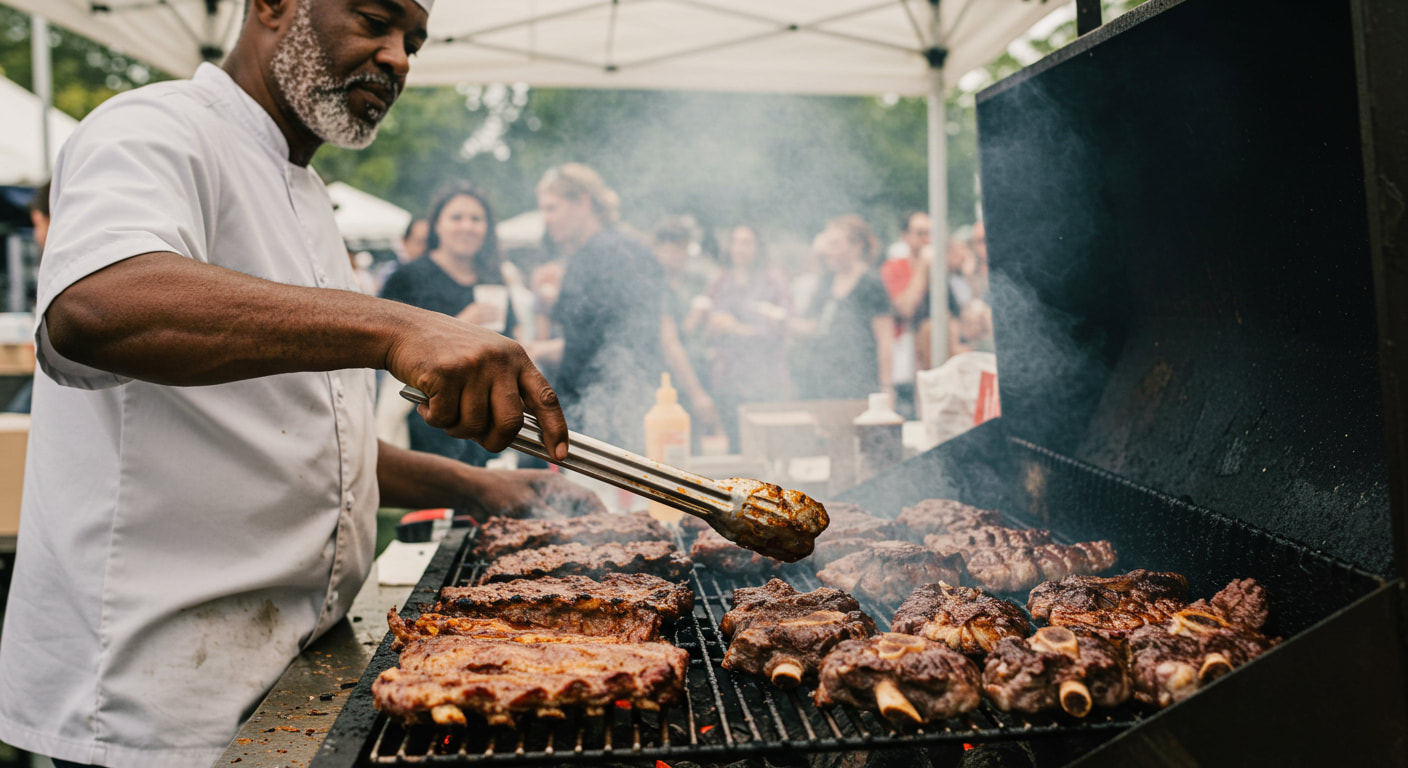
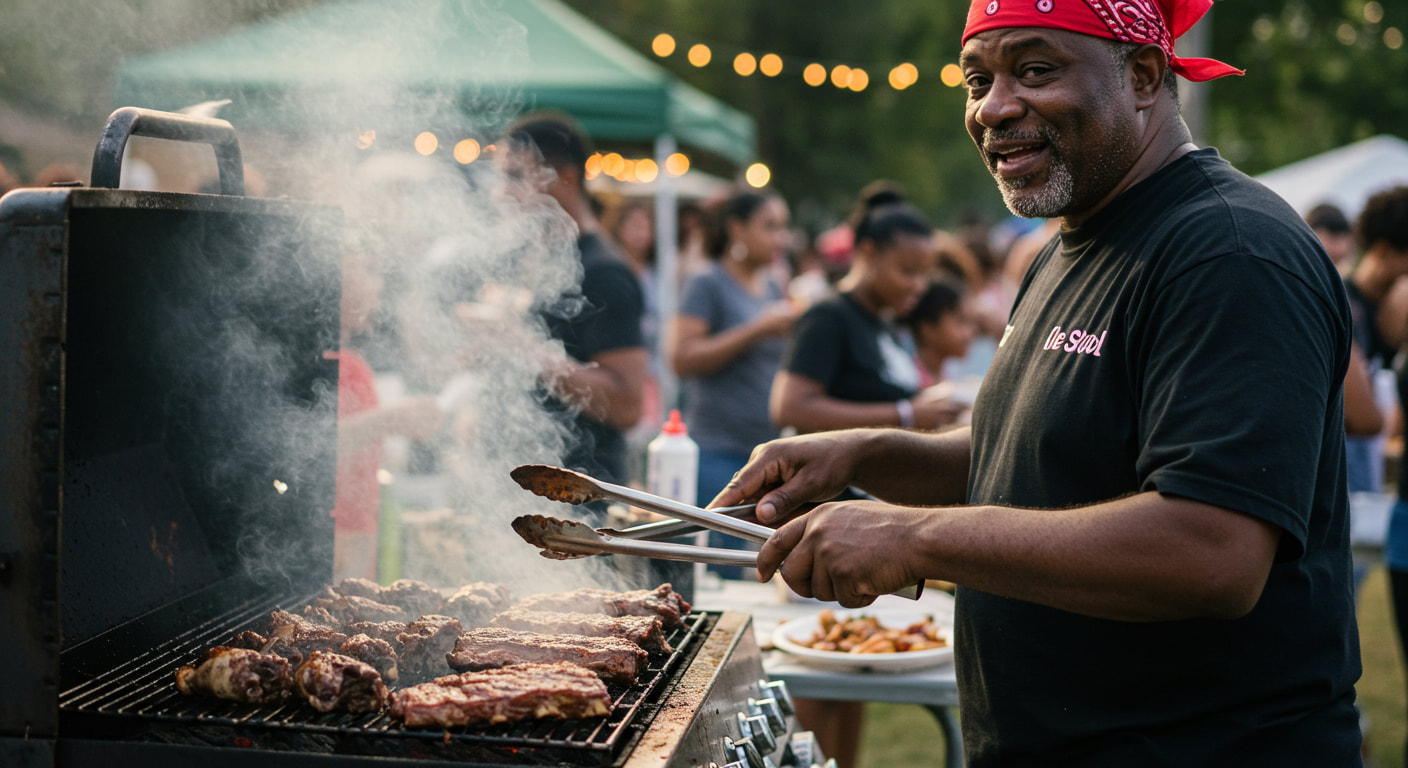
Food Glorious Food: The Soul of the PicnicIf Waterbury were to establish a museum of African-American culinary classics, OleSkool would be its living exhibit. The annual cookout turns Lakewood Park into an open-air kitchen where black culinary traditions rule the grill and everyone’s plate is a canvas for edible art. Here, barbecue ribs are not just food—they are status symbols, and every grill-master hails from a long line of kitchen warriors. Potato salad battles rage on, with every aunt defending her blend of spices like a trade secret, and ox tails appear with such regularity that newcomers wonder if they missed a city ordinance. Add baked beans, chicken wings, collard greens, and cornbread, and the meal transforms Waterbury’s green spaces into authentic, mouthwatering classrooms on African-American cuisine.
For anyone unfamiliar, OleSkool’s menu is no mere cookout—it is an immersive syllabus in soul food history, served family-style and narrated with plenty of local gossip.
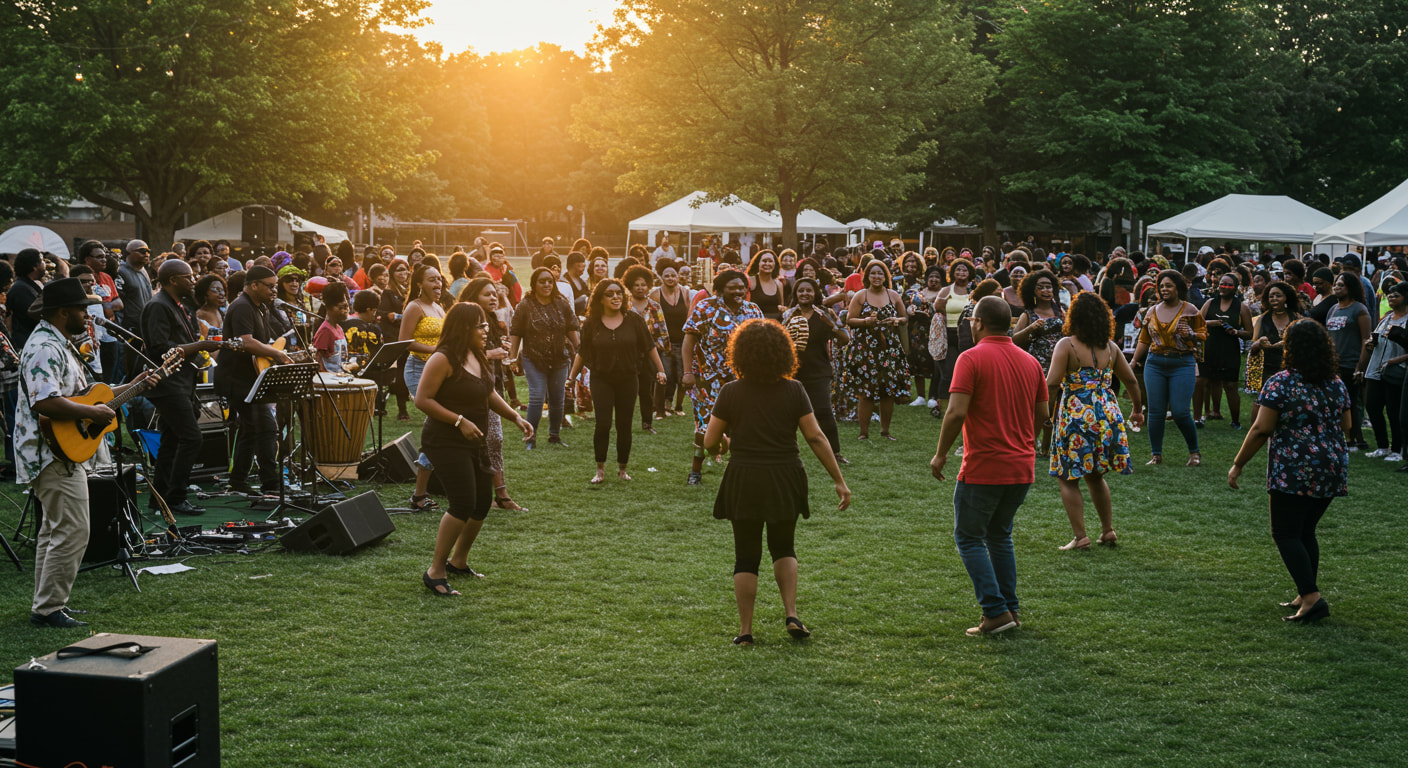
On stage, spoken word artists, singers, and drummers transform every performance into a neighborhood pep rally. OleSkool’s organizers proudly hand microphones to up-and-coming musicians and seasoned pros alike, refusing to let any moment go by without a beat, a laugh, or at least some modestly off-key karaoke from a beloved uncle.
Older residents—those self-appointed “keepers of the tale”—make history relevant with irreverent anecdotes while mentoring the next generation over games of spades or barbecue assembly lines. Here, “community service” means showing a teenager how to perfect a rib sauce or explain why Marvin Gaye’s “What’s Going On” still matters on modern playlists.
Local workers and entrepreneurs—especially those who run black-owned beauty shops, corner stores, and soul food diners—see OleSkool as more than just a busy weekend. The festival is a business incubator, a product showcase, and the year’s largest crowdsourcing event for Waterbury’s culinary, musical, and artistic talent.
Closing Thoughts
OleSkool transcends a mere festival; it embodies Waterbury’s Black community’s resilience, creativity, and unity. Through food, music, history, and fellowship, it reaffirms the city’s commitment to honoring heritage while inspiring future generations. This annual celebration not only nourishes the body but also feeds the soul of Waterbury’s diverse neighborhoods. Sources (partial list):
Further Reading
|






































"The cultural richness of a community is measured by the respect it shows for its history and the pride it takes in its traditions." — John Henrik Clarke 
|
The History of OleSkool
|
The "OleSkool" event in Waterbury, CT, began in 2004 as a small, old-fashioned cookout among friends who attended Walsh Grammar School and Kennedy High School, growing into an annual, multi-day celebration of community, culture, and Black history for the African-American community. What started at Montoe Park has expanded to include events at Lakewood Park Beach, with the cookout itself held at Lakewood Park, and a symposium on Black history at the Mattatuck Museum. The event's motto is "We care, We share," reflecting its spirit of fellowship and community.
Origin and Growth
Annual Celebration
Key Elements
|
The OleSkool Weekend:
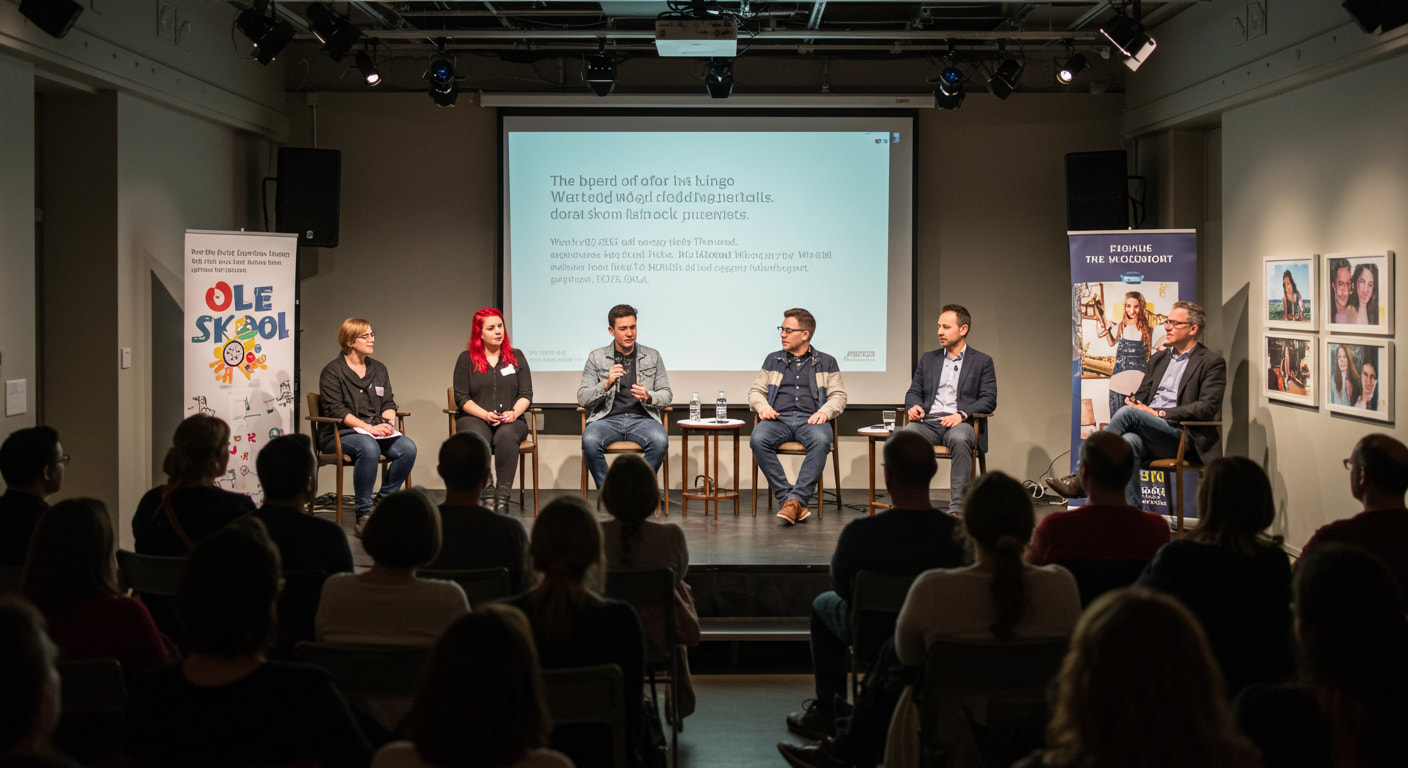
Battle of the 60s took place from August 29-31, 2025, with the Battle of the 60s Panel on Saturday, August 30, from 10 AM to 1 PM at the Mattatuck Museum (144 West Main Street, Waterbury). The associated OleSkool Cookout took place on Sunday, August 31, at Lakewood Park along the Great Brook and Great Brook Lake in the Pearsallville Neighborhood of the Bucks Hill District. |
